
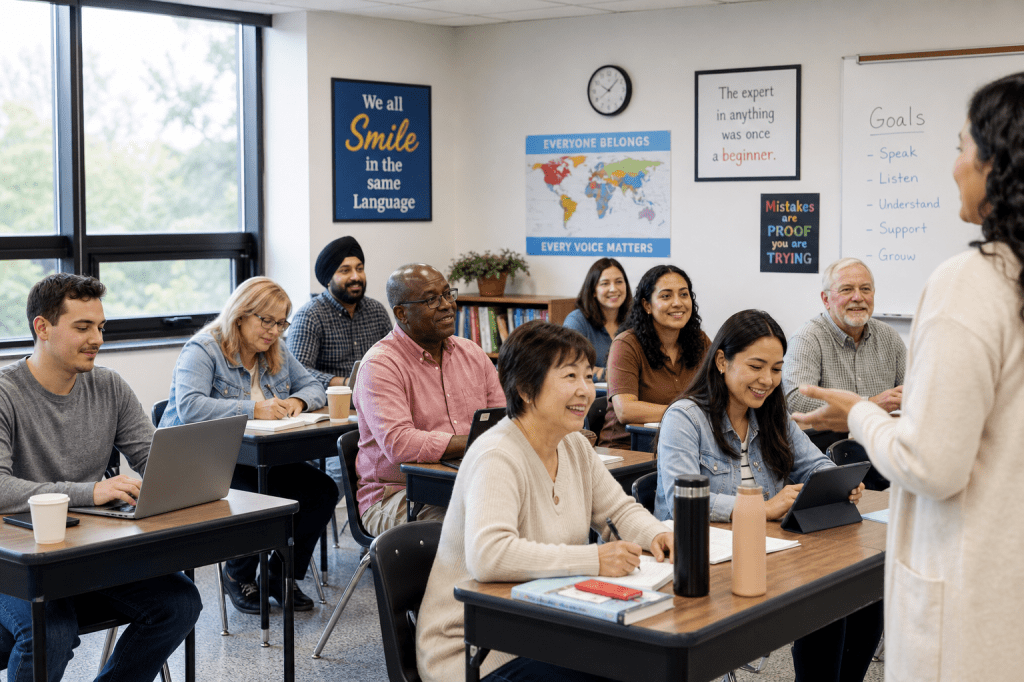
Learning takes different forms when multiple generations are present.
Compared to my colleagues and friends, my clinical teaching experience is still in its infancy. As a dental hygiene instructor for the last five years, I have seen the learning variations between students and how their generation, culture, and education history play a pivotal role in how each individual learns new information.
There is the student who is a mom and is returning to school after a decade and a half of experience working as a dental assistant. She sits in the front row with her notebook opened and a pen laid balanced on the crisp white lined paper. The date has been drawn in the upper left-hand corner. There is a small pouch to her right with a variable collection of highlighters to assist in her journey to absorb the information that is to come. The required computer is present, but not the main focus for her note-taking.
Then you have the 19-year-old who completed his prerequisites while still in high school. He sits in the middle row with an earbud in one ear, a laptop and tablet available, no pen in sight. Minimalistic and simple. A stylus is attached to the tablet, but will he feel the need to use it? Maybe. Maybe not.
The classroom is sprinkled with various other signs of learning styles: mixes of technology and manual devices. The need for fidget-type devices, the need for paper, the need for seemingly nothing.
What does this mean for us as instructors? Each student presents with various abilities when it comes to learning, memorization, and fine motor skills, and it becomes our job to adapt our teaching to all of the various opportunities that lay in front of us. But how?
How do we adapt our education with a classroom full of so much variation?
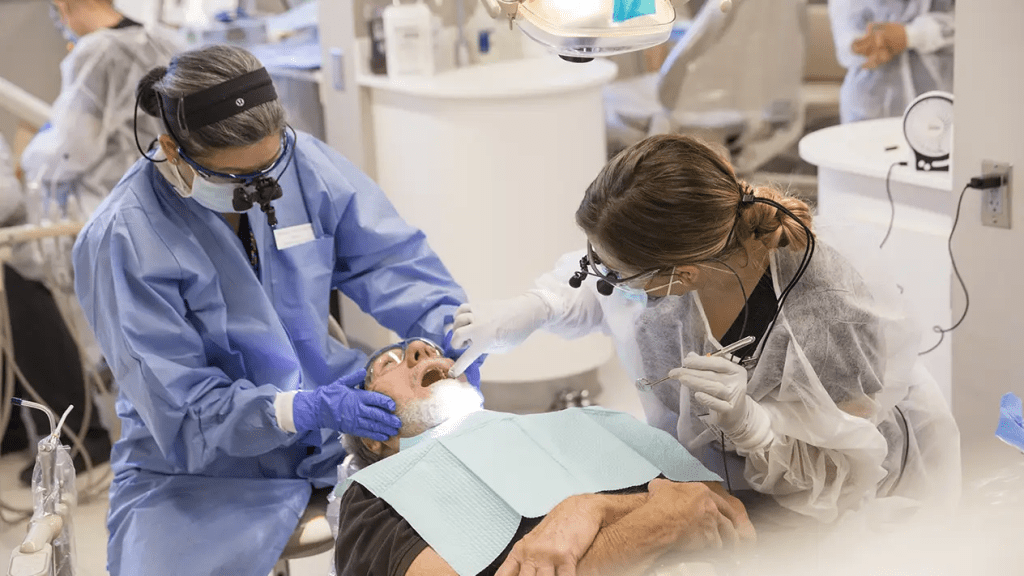
Fine Motor Skills: An Overlooked Curriculum Need
Clinical programs require students to perform complex, high-precision manual tasks, yet fine motor ability is often assumed rather than developed. Early evidence shows that incoming dental students exhibit wide variability in fine motor skills, and these differences can significantly influence preclinical and clinical performance (Luck et al., 2000). Without some planned intervention, students with lower baseline dexterity may struggle to meet technical competencies essential for safe and effective patient care.
Recent intervention-based research shows us that fine motor skills are not fixed traits but can be significantly improved through targeted training. Pérez-Chicharro et al. (2025) showed that a structured, low-cost, home-based dexterity program led to significant improvements in manual dexterity and tactile sensitivity in first-year dental students, even in the absence of advanced technology. These findings highlight that intentional curricular integration of fine motor training can enhance key psychomotor capabilities critical for clinical success.
Moreover, broader societal shifts toward increased digital device use may be contributing to a decline in foundational motor skills. Sulzenbruck et al. (2011) found that frequent computer use and reduced handwriting practice are associated with diminished precision in arm-hand motor control, suggesting that modern students may enter clinical programs with underdeveloped fine motor abilities. This trend further underscores the need for educational institutions to proactively address fine motor skill development rather than presuming its adequacy.
Together, these findings support the integration of structured fine motor skill training into clinical curricula. Early, deliberate instruction can help reduce skill disparities among students, counteract modern declines in manual proficiency, and better prepare learners for the technical demands of clinical practice (Luck et al., 2000; Pérez-Chicharro et al., 2025; Sulzenbruck et al., 2011).
Rethinking Homework
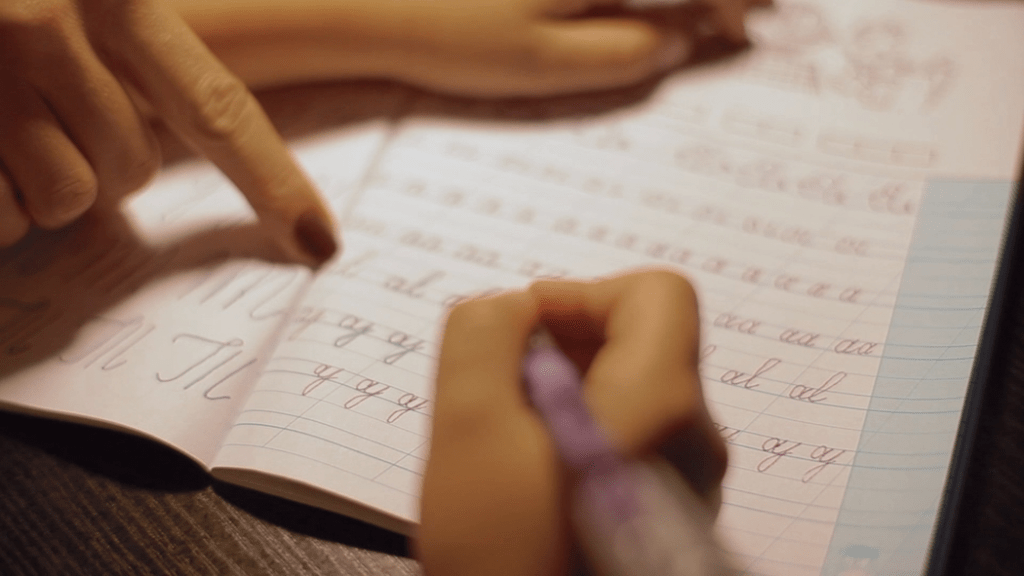
Handwriting
Supports fine motor development, motor planning, and tactile feedback through deliberate hand control.
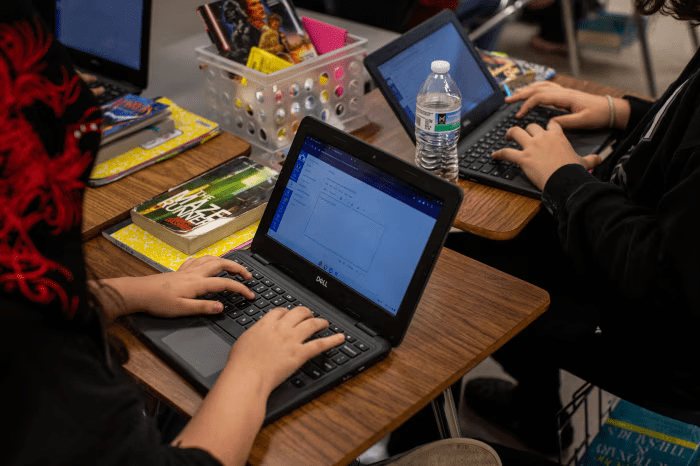
Computer-Based Learning
Emphasizes speed, navigation, and cognitive processing with minimal fine motor precision demands.
The Challenge
Students are not asking for more homework, and instructors, already carrying full workloads, are understandably cautious about adding new assignments and grading demands.
This invites a reframing: what if skill-building felt less like added weight and more like fun? Small, low-stakes activities that are brief, repeatable, and easy to implement can quietly strengthen fine motor skills. Using tools that already exist, these micro-practices can be integrated seamlessly into coursework, supporting student confidence without overwhelming faculty.
With intentional design, learning can be both effective and engaging for everyone involved.
Don’t Make It Too Complicated
These fine motor skill tasks do not need to be overly structured. Make it fun, make it simple, make it inexpensive, and make it rewarding. The following are examples of activities included in a “Summer Goodie Bag” assignment. What else would you include? What activities could help with your clinical-based needs?
1. Ergonomics
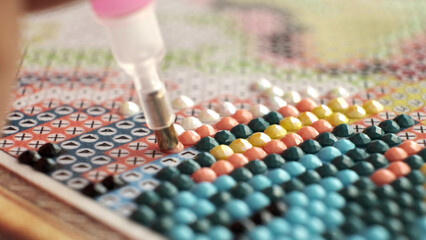
With loupes, the students will practice a small diamond art project to work on ergonomics and fine motor skills. They will be instructed to take a photo of their posture during the activity and write a short reflection of their experience with this project and how it relates to the fine motor skills required for dental hygiene. The projects I found are small 8cm refrigerator magnets with positive affirmations. Why not bring some mental health support in as well?
2. Handwriting: Left and Right Handed
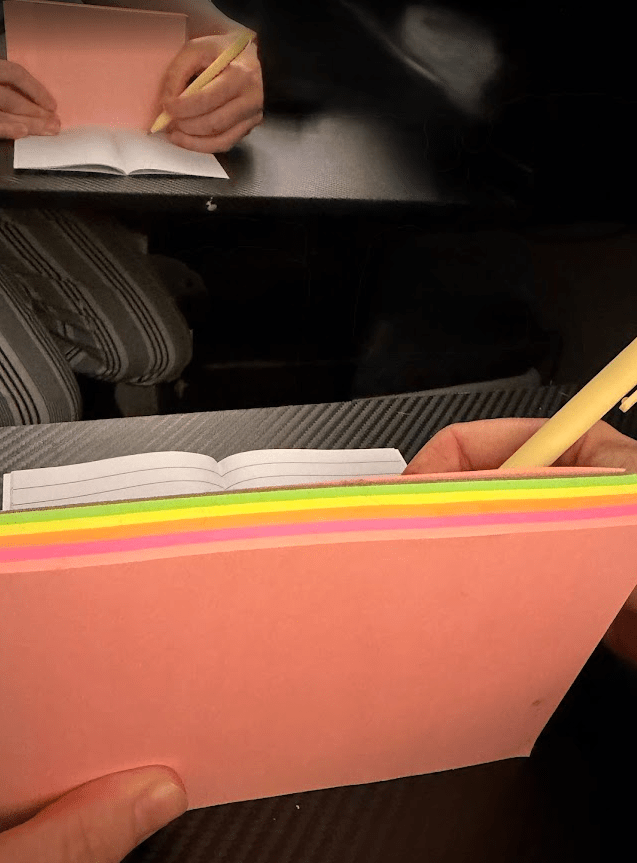
As both left and right hands are needed in dentistry, the students are given small journals and pens in their summer goodie bag. Students will practice writing left-handed and right-handed. It is not meant to look pretty. It is not meant to be perfect. It is meant to take time working on the muscles of both hands and practicing control of movement.
The caveat to this assignment: complete it in front of a mirror! Indirect vision is crucial in dentistry, and writing while viewing through a mirror builds that skill.
3. Hand Strengthening Activities
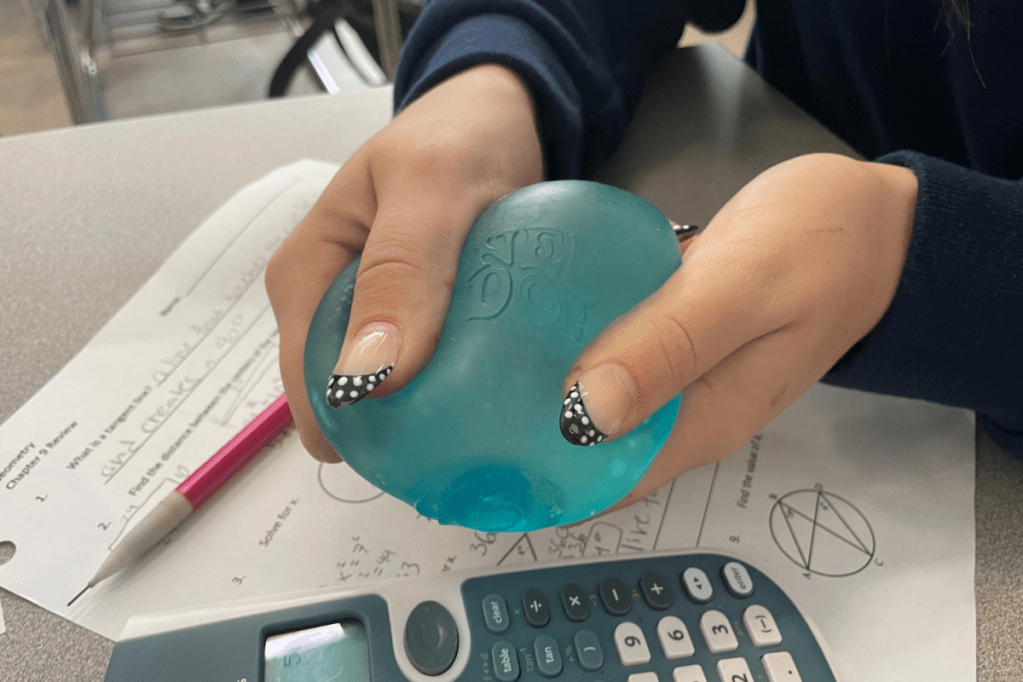
Improving grip strength, endurance, and controlled hand movements are needed for clinical instrumentation. Using simple tools such as therapy putty, squeeze balls, or pinch exercises, students build the muscular support required for precision, reduced fatigue, and long-term ergonomic health in dental hygiene practice.
The Takeaway: Small Shifts, Meaningful Skill Building
Today’s students bring different strengths, habits, and experiences into our classrooms, and that includes how they use their hands. In clinical education, fine motor skills matter, yet they aren’t something we can assume every student has fully developed. The good news is that these skills can be built with small, thoughtful, and even fun activities that don’t overwhelm students or instructors.
By meeting learners where they are and intentionally weaving simple fine-motor practice into our teaching, we can help all students grow in confidence, competence, and readiness for patient care, one small movement at a time.
Let us know how you incorporate fine motor skill development with your students!
Need Some More Ideas? Looking for Educator Support?
Martija Institute for Health Professions Education supports health professions education programs in improving how they teach, assess, and develop their faculty, while simultaneously working to expand access to health professions pathways in medically underserved communities.
These two goals are not separate. The institutional relationships we build through consulting create the foundation for community outreach. As we help programs become stronger, we also help connect them to students in communities that have historically lacked access to health professions exposure.
Let’s create something beautiful together. Learn more →
References
Luck, O., Reitemeier, B., & Scheuch, K. (2000). Testing of fine motor skills in dental students. European Journal of Dental Education, 4, 10–14. https://doi.org/10.1034/j.1600-0579.2000.040103.x
Pérez-Chicharro, M., González-Olmo, M. J., Nieto-Moraleda, C., Obeso-Benítez, P., Martínez-Piédrola, R. M., Sánchez-Herrera-Baeza, P., Pérez-de-Heredia-Torres, M., Romero-Maroto, M., & Huertas-Hoyas, E. (2025). Improving dental students’ dexterity and strength: An intervention study. BMC Medical Education, 25, 1436. https://doi.org/10.1186/s12909-025-08015-8
Sulzenbruck, S., Hegele, M., Rinkenauer, G., & Heuer, H. (2011). The death of handwriting: Secondary effects of frequent computer use on basic motor skills. Journal of Motor Behavior, 43(3), 247–251. https://doi.org/10.1080/00222895.2011.571727


Leave a Reply