
Program Assessment and Faculty Development for Health Professions Education
Start with a Discovery Review
We look at your program as a whole, then bring only the tools, resources, or training it needs.
What to expect
What it is
- A look at your whole program.
- A plan your team can act on.
What it is not
- A judgment of faculty.
- A ranking of programs.
Three doors
Start with one, or open all three.
We work beside health professions faculty as a support system that aims to reduce burnout, so you get time back and your students get more one-on-one time.
Of 3,556 nursing faculty surveyed nationally, 85 percent showed moderate to high burnout. Zangaro et al., 2023
For your students
Active learning tools, 3D renders, enhanced presentationsOpen the doorClose
Interactive presentations, 3D learning tools, and study materials built from your course content. Your faculty review and approve every piece.
For your institution
Curriculum and assessment consulting, faculty developmentOpen the doorClose
Course and assessment design, curriculum alignment, exam reliability review, and faculty development workshops on what current research says about teaching. Faculty keep final authority over academic content.
For your future students
Community outreach, health careers workshopsOpen the doorClose
Hands-on health careers workshops for high schools and colleges. Students meet your programs and the other professions they will work beside, framed by their strengths.
Some of what we have built
Samples of our work. Yours would be made for you.
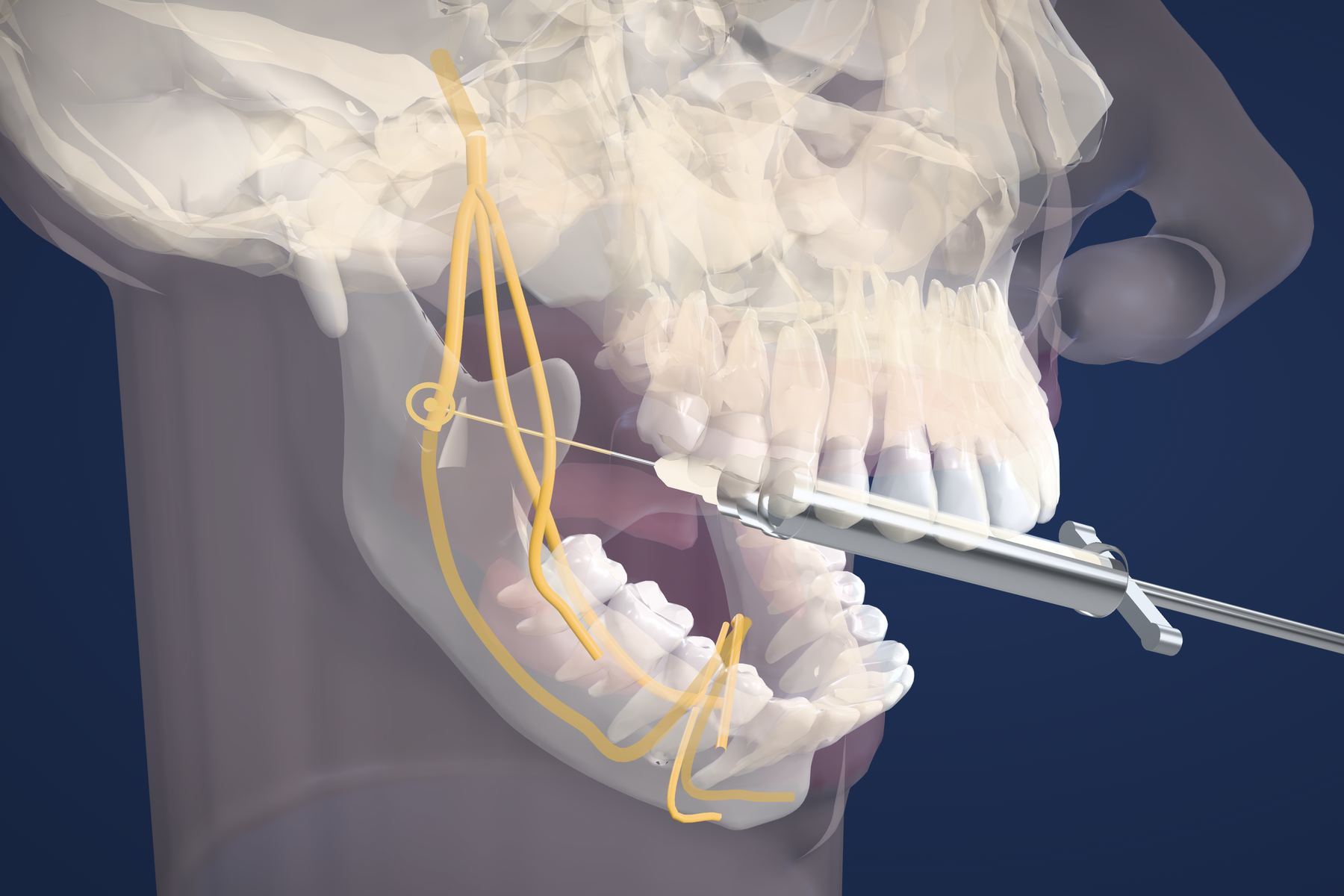
-
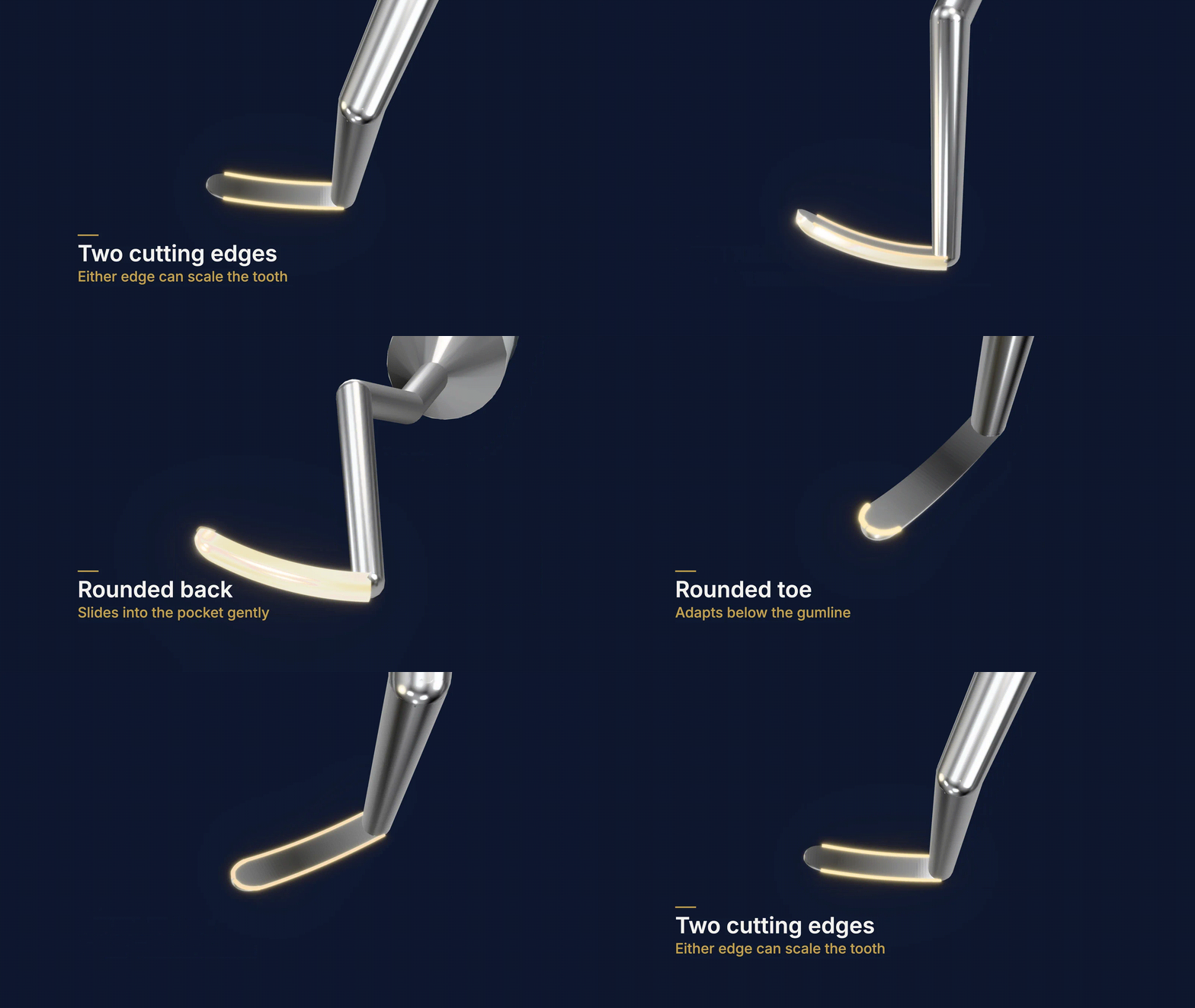
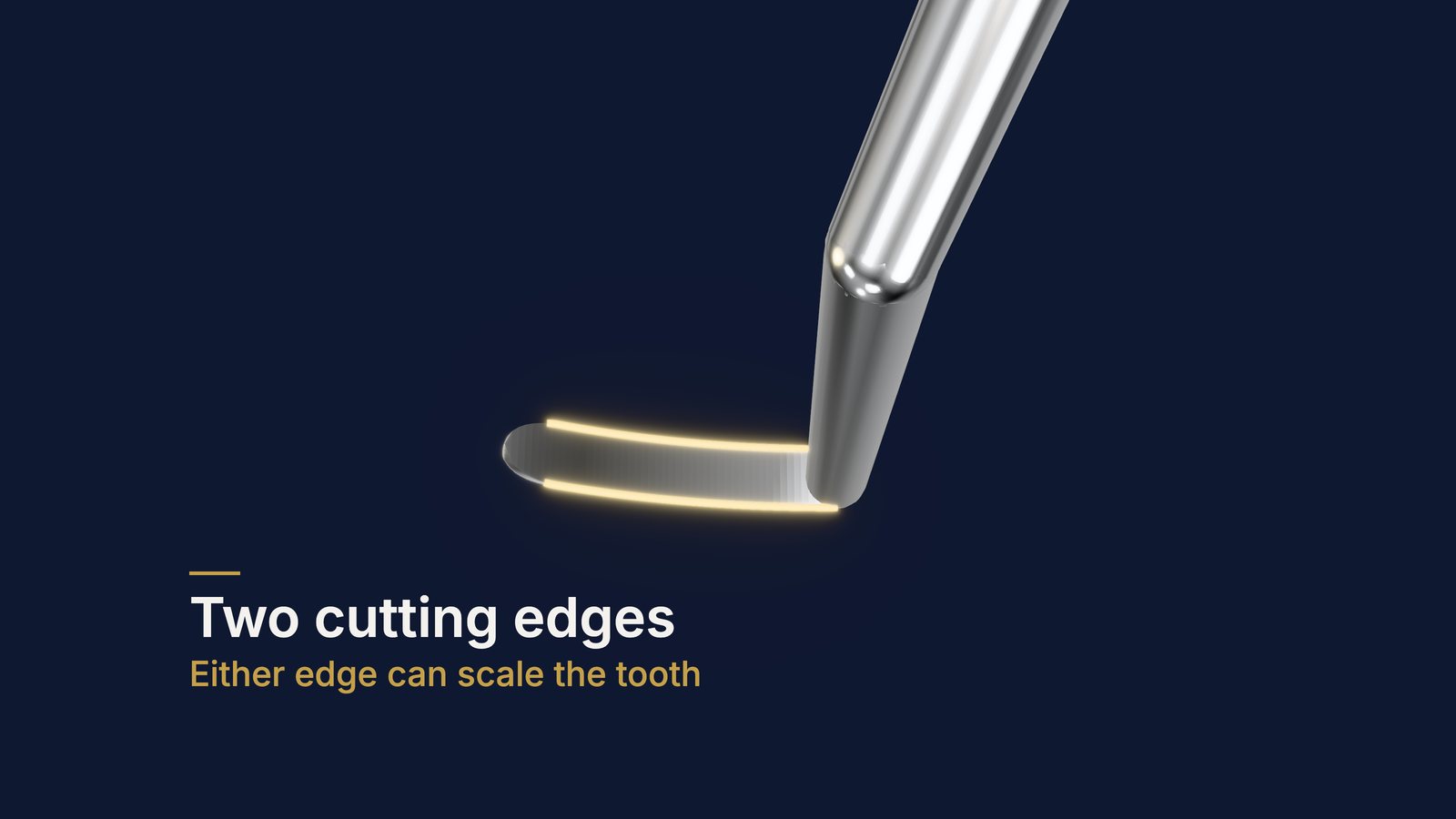
3D renders for visual learning
SampleWhat a slide can only describe, a 3D render shows, on a phone, tablet, or computer.
-
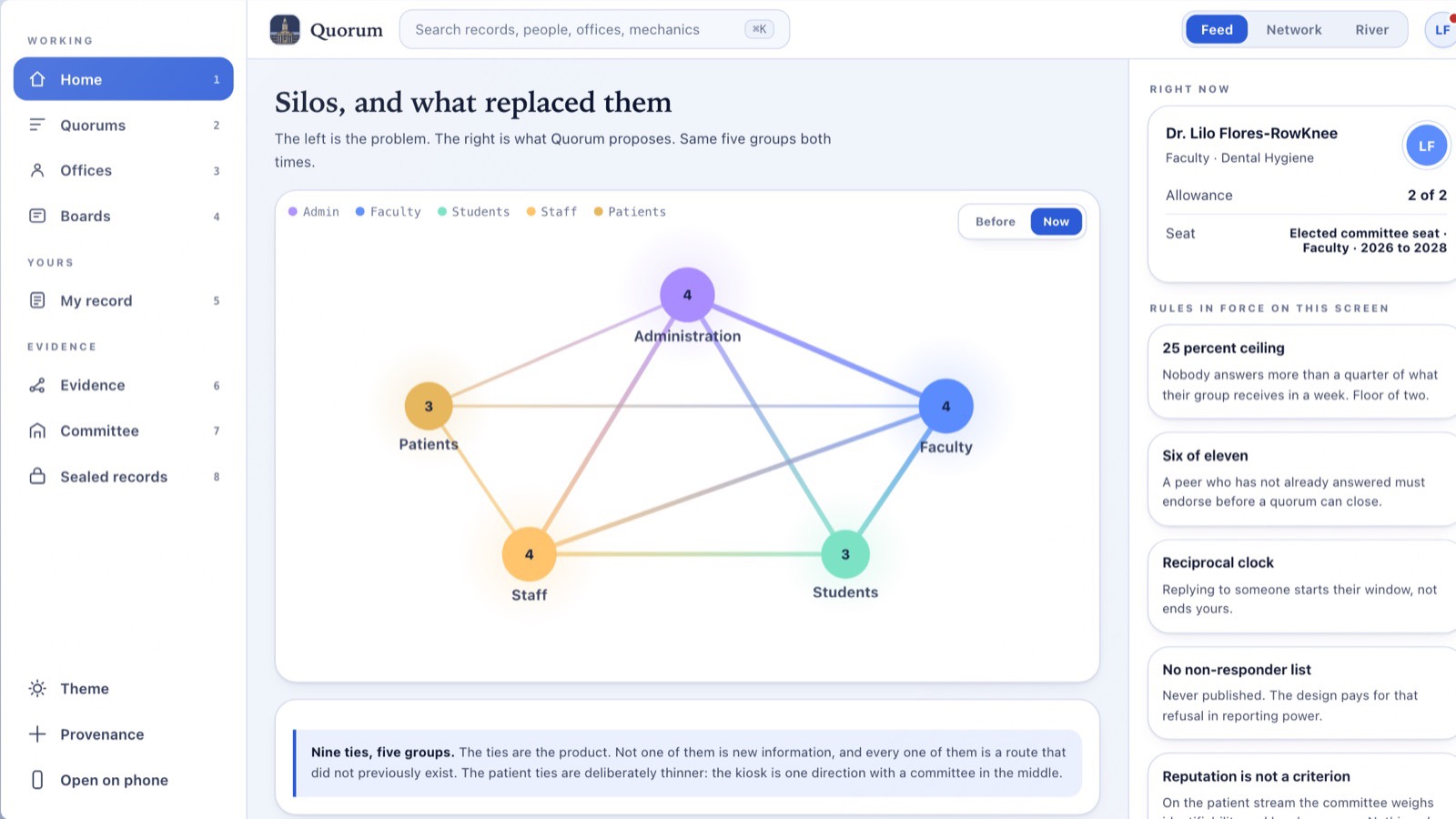
Shared governance platform (Quorum)
PrototypeOne place where faculty, students, staff, and administration raise concerns. Each gets an owner and a response window. The demo uses a fictional school.
-
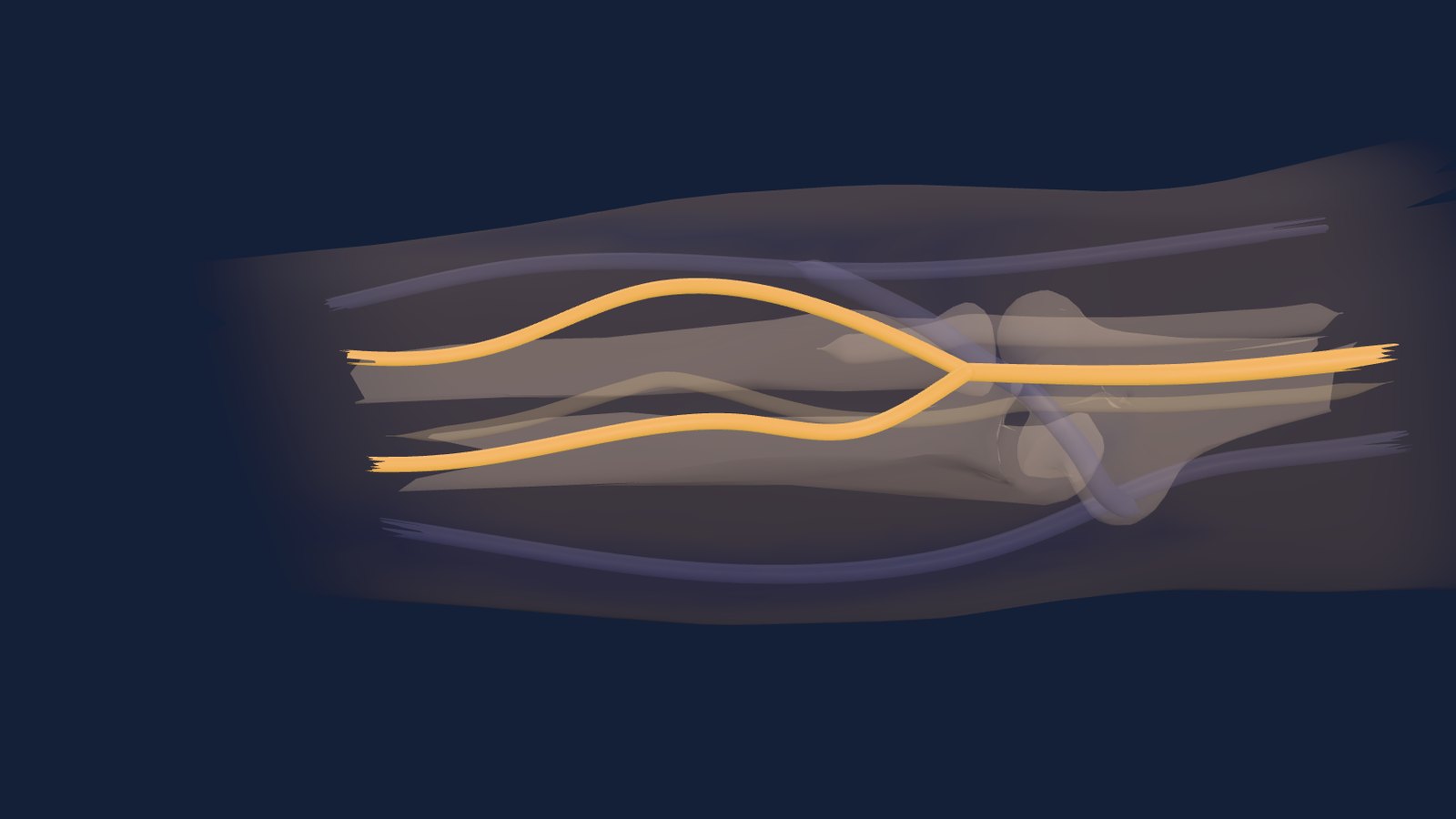
Enhanced presentations for active learning
SampleSlides rebuilt as interactive sessions, with a study section students keep.
-
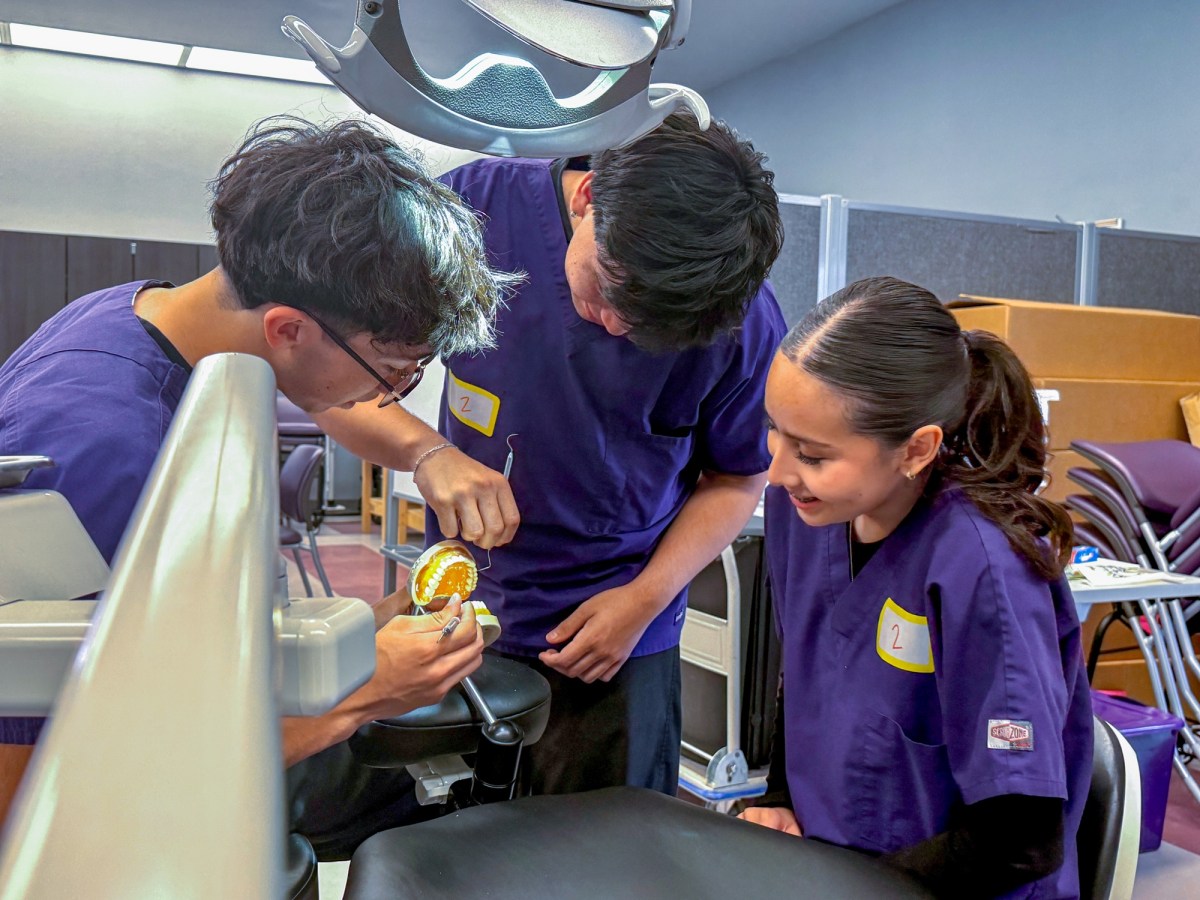
Hands-on health careers workshops
Built for high schools and colleges to spark student interest and introduce each school’s own programs.
Bone and tooth shapes: BodyParts3D, © The Database Center for Life Science, CC BY 4.0.

Christopher Martija-Flores, MS, RDH
Founder and Executive Director
Teaches didactic, pre-clinical, and clinical dental hygiene at the university level.
Always looking for a better way to teach: active learning, new tools, and students who learn across professions.
He brings health careers into the community; his doctoral work at Mass General Brigham University of Health Professions shapes what he builds.
-
From Outreach to Outcomes
An Asset-Based Framework for Health Professions Pipeline Programs.
-
Repetition, Recall, Retention
A Deployable Teaching Cycle for Nursing and Allied Health Programs.
The first step is a conversation.
Bring your challenge and see a live demo. No obligation.
Research and references
In a national survey of 3,556 nursing faculty in the United States, 85.2 percent showed moderate to high burnout. Zangaro et al., 2023
Across 36 studies, 3D visualization technologies produced higher factual and spatial anatomy knowledge than other methods of teaching anatomy. Yammine and Violato, 2015
Cognitive load theory design guidelines for health professions education include ordering learning tasks from simple to complex and integrating different sources of information. van Merriënboer and Sweller, 2010
Across 225 studies of undergraduate STEM courses, average exam scores were about 6 percent higher with active learning than with traditional lecture. Freeman et al., 2014
In a pre-post study of 215 first-year medical, dentistry, and nutrition students, online lectures designed with cognitive load principles were associated with better comprehension, engagement, and motivation, and lower cognitive load, than a typical face-to-face lecture. Hadie et al., 2021
A college of nursing rebuilt its bylaws to promote shared governance, establishing clear communication lines and cross-committee collaboration to break down program silos. Mollman et al., 2024
In a mixed-methods study of 263 medical students, 82.5 to 87.4 percent identified procedural transparency, confidentiality, and closed feedback loops as essential prerequisites for meaningful engagement with course evaluations. Agha et al., 2026
In internet-based health professions learning, interactivity, practice exercises, feedback, and repetition were each associated with better learning outcomes. Cook et al., 2010
In focus groups, dental and dental hygiene faculty named low compatibility with the current curriculum as one of four barriers to adopting e-courses. DeBate et al., 2011
Limited faculty time and technical skill are documented barriers to implementing electronic and online learning in dental and medical education. Hendricson et al., 2004; O’Doherty et al., 2018
In one program for medical educators, use of previously unfamiliar digital tools rose significantly two months after hands-on faculty development. Ergonul and Buyukcoban, 2026
- Agha, S., Alumer, B., Salem, S. S., Shah, S. W. H., and Siddiqui, N. U. (2026). Matric or mirror? Exploring cognitive and institutional drivers of student course evaluations: A mixed-methods study in medical education. Advances in Medical Education and Practice, 17, 1-21. https://doi.org/10.2147/AMEP.S630865 (opens in a new tab)
- Cook, D. A., Levinson, A. J., Garside, S., Dupras, D. M., Erwin, P. J., and Montori, V. M. (2010). Instructional design variations in internet-based learning for health professions education: A systematic review and meta-analysis. Academic Medicine, 85(5), 909-922. https://doi.org/10.1097/ACM.0b013e3181d6c319 (opens in a new tab)
- DeBate, R. D., Cragun, D., Severson, H. H., Shaw, T., Christiansen, S., Koerber, A., Tomar, S., Brown, K. M., Tedesco, L. A., and Hendricson, W. (2011). Factors for increasing adoption of e-courses among dental and dental hygiene faculty members. Journal of Dental Education, 75(5), 589-597. https://doi.org/10.1002/j.0022-0337.2011.75.5.tb05084.x (opens in a new tab)
- Ergonul, E., and Buyukcoban, S. (2026). Fostering interactive medical education: Integrating Web 2.0 tools through a universal design for learning framework. Medical Education Online, 31(1), 2639193. https://doi.org/10.1080/10872981.2026.2639193 (opens in a new tab)
- Freeman, S., Eddy, S. L., McDonough, M., Smith, M. K., Okoroafor, N., Jordt, H., and Wenderoth, M. P. (2014). Active learning increases student performance in science, engineering, and mathematics. Proceedings of the National Academy of Sciences of the United States of America, 111(23), 8410-8415. https://doi.org/10.1073/pnas.1319030111 (opens in a new tab)
- Hadie, S. N. H., Tan, V. P. S., Omar, N., Nik Mohd Alwi, N. A., Lim, H. L., and Ku Marsilla, K. I. (2021). COVID-19 disruptions in health professional education: Use of cognitive load theory on students’ comprehension, cognitive load, engagement, and motivation. Frontiers in Medicine, 8, 739238. https://doi.org/10.3389/fmed.2021.739238 (opens in a new tab)
- Hendricson, W. D., Panagakos, F., Eisenberg, E., McDonald, J., Guest, G., Jones, P., Johnson, L., and Cintron, L. (2004). Electronic curriculum implementation at North American dental schools. Journal of Dental Education, 68(10), 1041-1057. https://doi.org/10.1002/j.0022-0337.2004.68.10.tb03851.x (opens in a new tab)
- Mollman, S., Plemmons, C., Ireland, C., Heier, C., Ray, A., and Mitchell, A. (2024). Shared governance through bylaws: Transformation within a college of nursing. Journal of Nursing Education, 63(5), 277-281. https://doi.org/10.3928/01484834-20240305-01 (opens in a new tab)
- O’Doherty, D., Dromey, M., Lougheed, J., Hannigan, A., Last, J., and McGrath, D. (2018). Barriers and solutions to online learning in medical education: An integrative review. BMC Medical Education, 18(1), 130. https://doi.org/10.1186/s12909-018-1240-0 (opens in a new tab)
- van Merriënboer, J. J. G., and Sweller, J. (2010). Cognitive load theory in health professional education: Design principles and strategies. Medical Education, 44(1), 85-93. https://doi.org/10.1111/j.1365-2923.2009.03498.x (opens in a new tab)
- Yammine, K., and Violato, C. (2015). A meta-analysis of the educational effectiveness of three-dimensional visualization technologies in teaching anatomy. Anatomical Sciences Education, 8(6), 525-538. https://doi.org/10.1002/ase.1510 (opens in a new tab)
- Zangaro, G. A., Rosseter, R., Trautman, D., and Leaver, C. (2023). Burnout among academic nursing faculty. Journal of Professional Nursing, 48, 54-59. https://doi.org/10.1016/j.profnurs.2023.06.001 (opens in a new tab)

